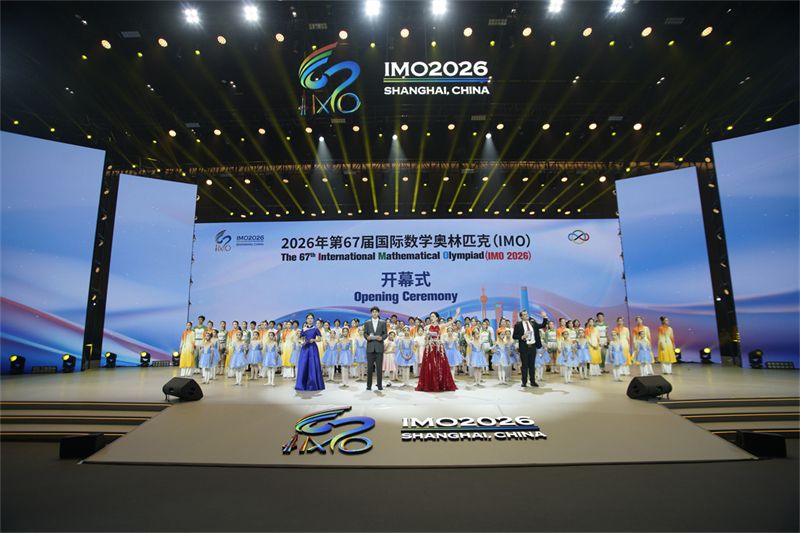
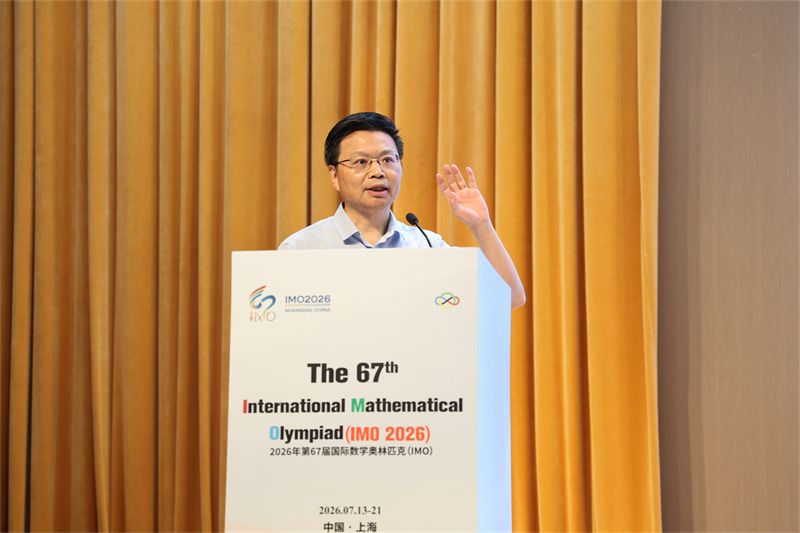
On July 14, 2026, the 67th International Mathematical Olympiad (IMO2026) officially opened in Shanghai. At the opening ceremony, Mr. Gregor Dolinar, President of the International Mathematical Olympiad Board; Mr. Mo Zeyao, Vice President of the China Association for Science and Technology; Mr. Lu Shan, Vice Mayor of Shanghai; Mr. Tian Gang, Vice Chairman of the Central Committee of the China Democratic League and Academician of the Chinese Academy of Sciences; and Mr. Xi Nanhua, President of the Chinese Mathematical Society and Academician of the Chinese Academy of Sciences, attended the ceremony and delivered remarks. Hosted by the Chinese Mathematical Society and the Shanghai Municipal Education Commission and organized by Shanghai High School, this year’s Olympiad brought together around 680 contestants from more than 120 countries and regions.
The competition proceeded in a well-organized and efficient manner, with the two-day examinations conducted smoothly under rigorous procedures. The Organizing Committee established a comprehensive support system throughout the event, with nearly 1,000 student and faculty volunteers from Shanghai High School providing assistance in airport transfers, translation, guidance, logistics, examination support and on-site services. Their dedication formed a reliable and thoughtful support network behind the successful operation of the Olympiad.
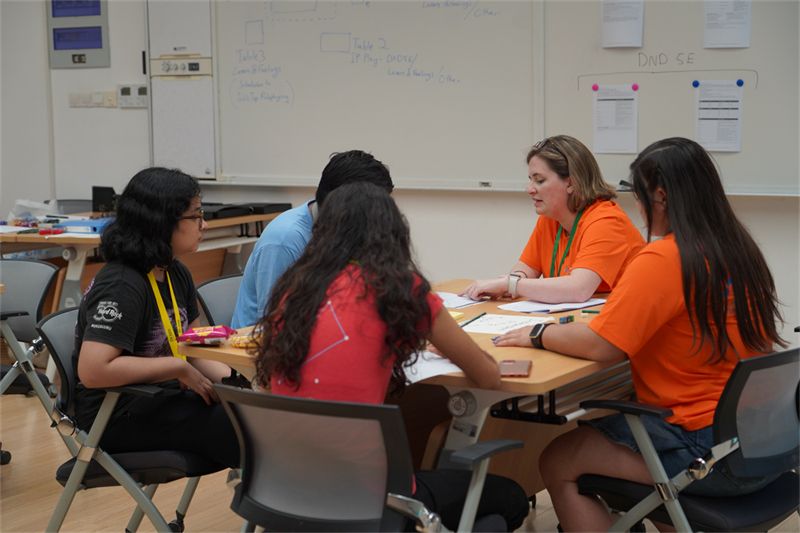
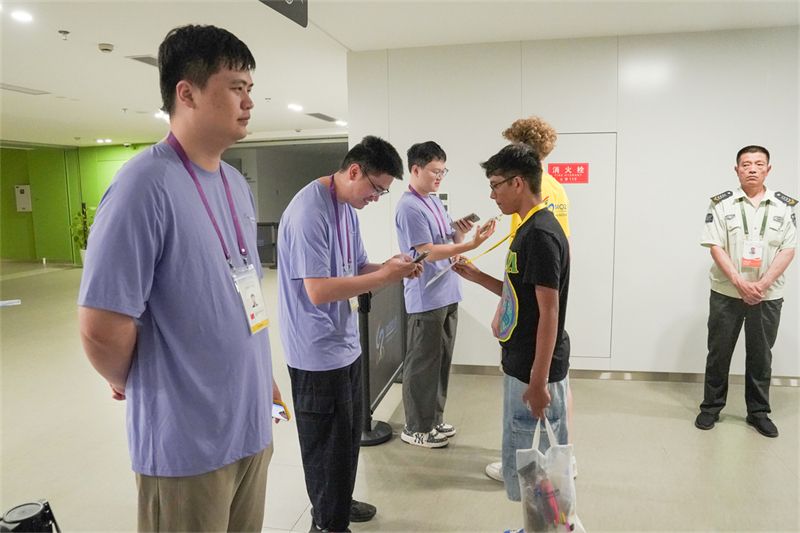
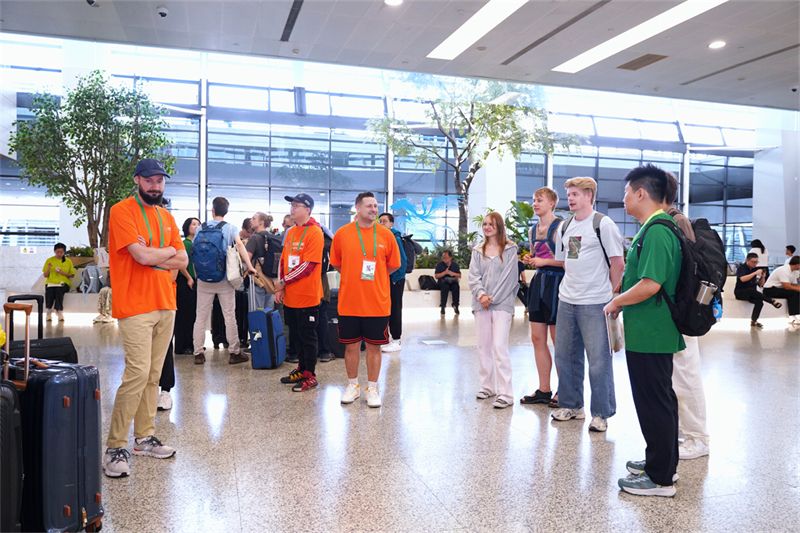
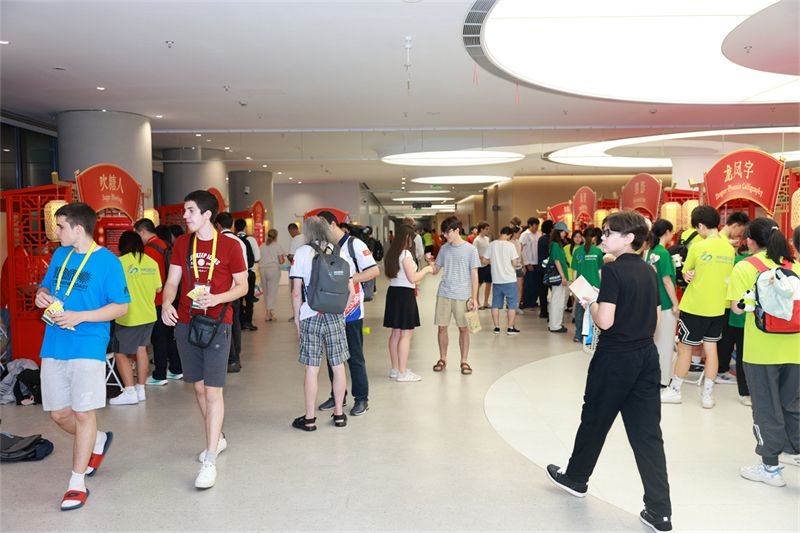
Beyond the competition, a wide range of cultural and recreational activities were arranged on campus, allowing contestants to relax and connect with one another. The Organizing Committee also curated a series of activities combining cultural experiences with academic enrichment. Through specially designed traditional Chinese culture workshops, young mathematicians from around the world explored Chinese traditions and artistic heritage, experienced the charm of Shanghai, broadened their perspectives and built friendships through shared experiences and exchanges.
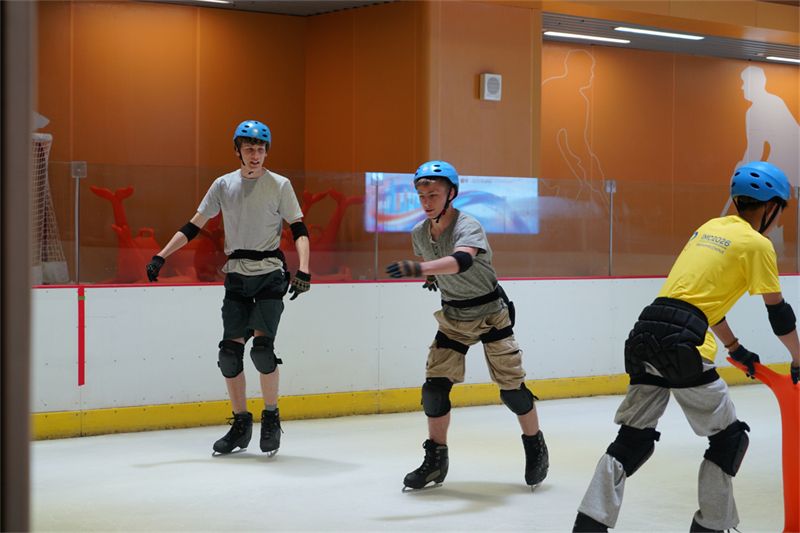
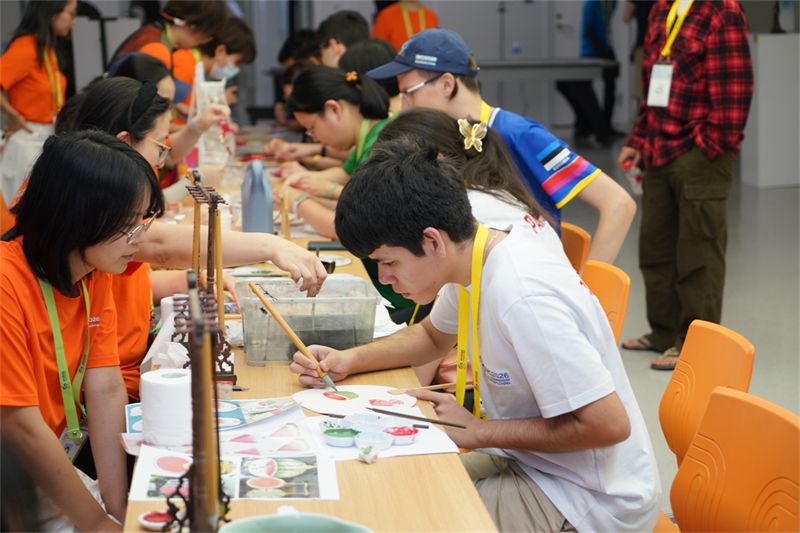
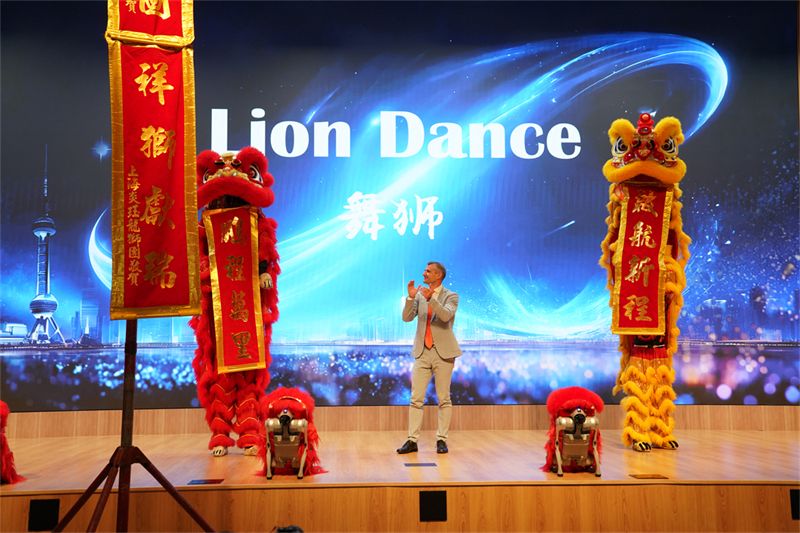
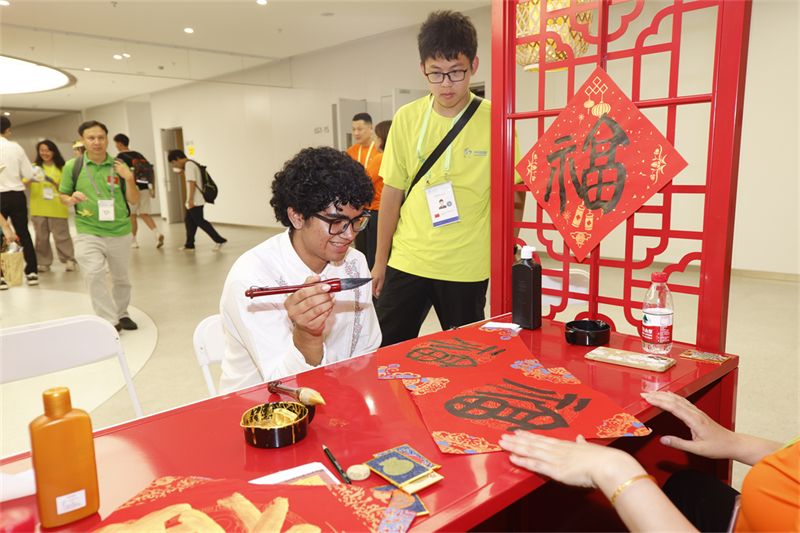
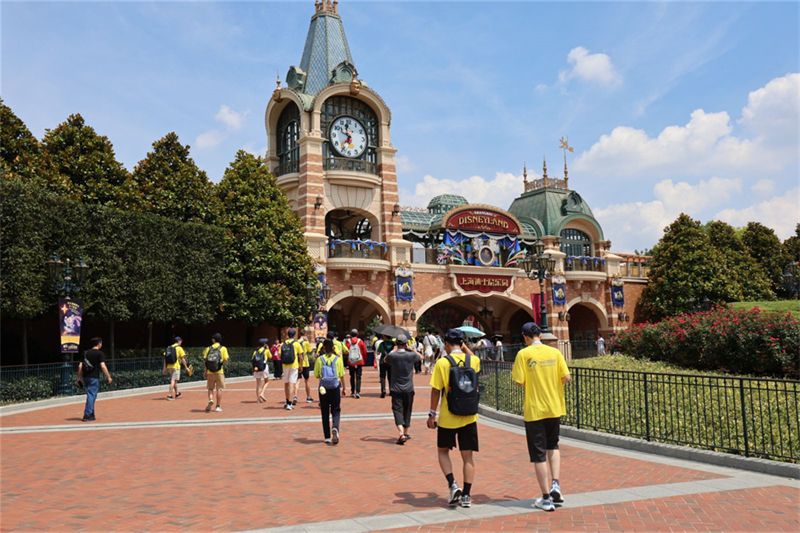
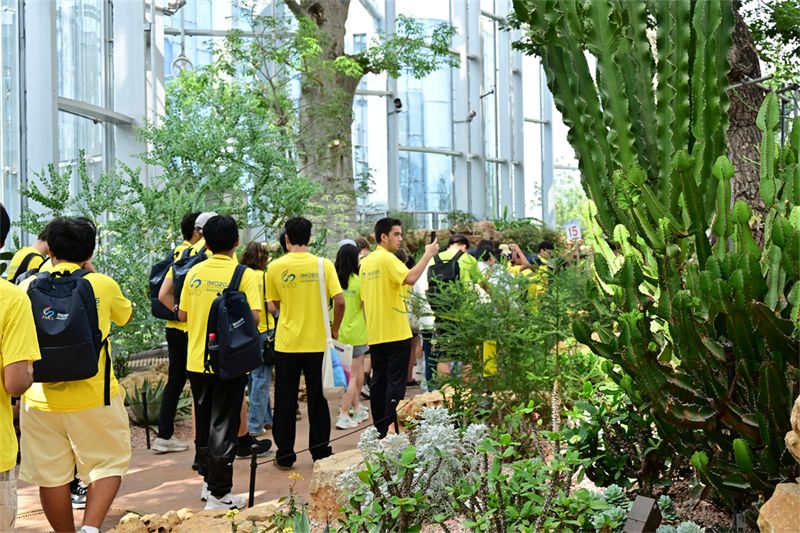
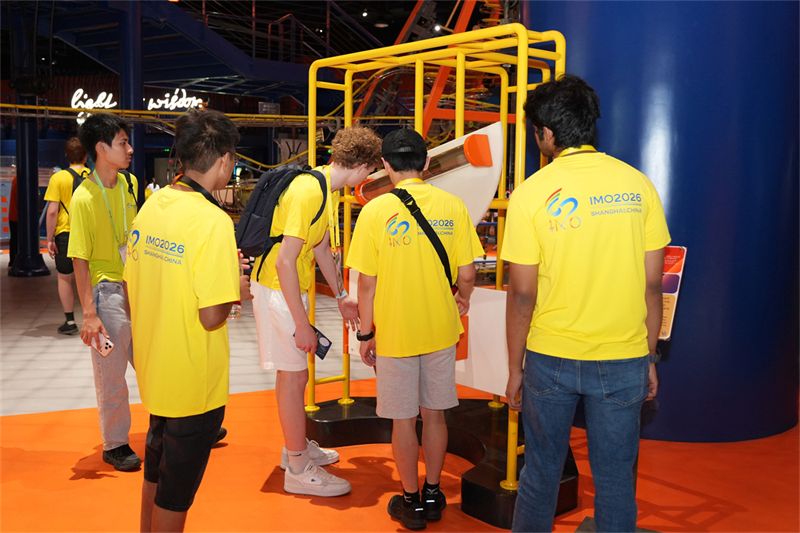
The city tours offered contestants diverse experiences across culture, nature and technology. At Shanghai Disneyland, contestants embraced moments of joy and youthful energy beyond the competition. At Shanghai Greenhouse Garden, they discovered the ecological beauty of Shanghai. At the Shanghai Science and Technology Museum, interactive exhibits and innovative displays provided a closer look at the connection between fundamental science and applied technology.
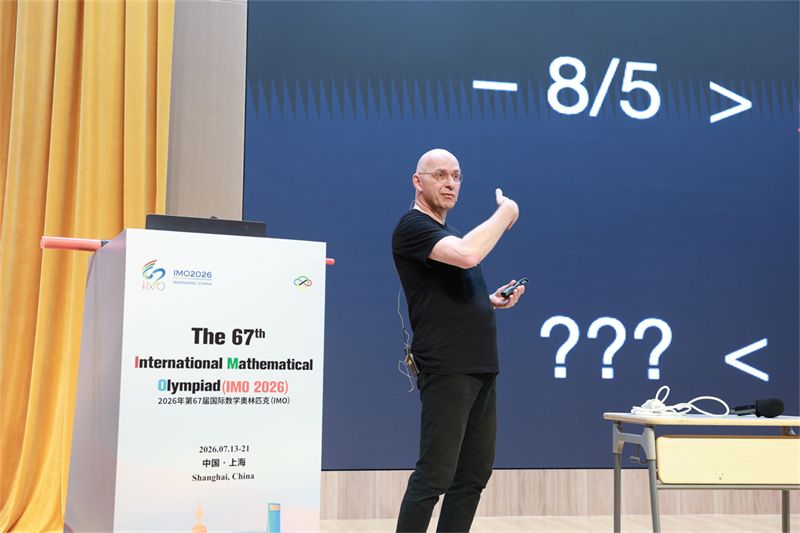
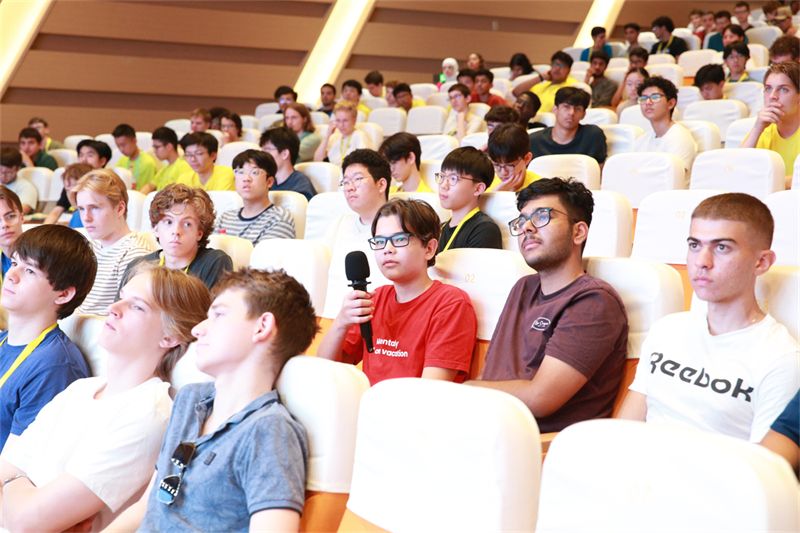
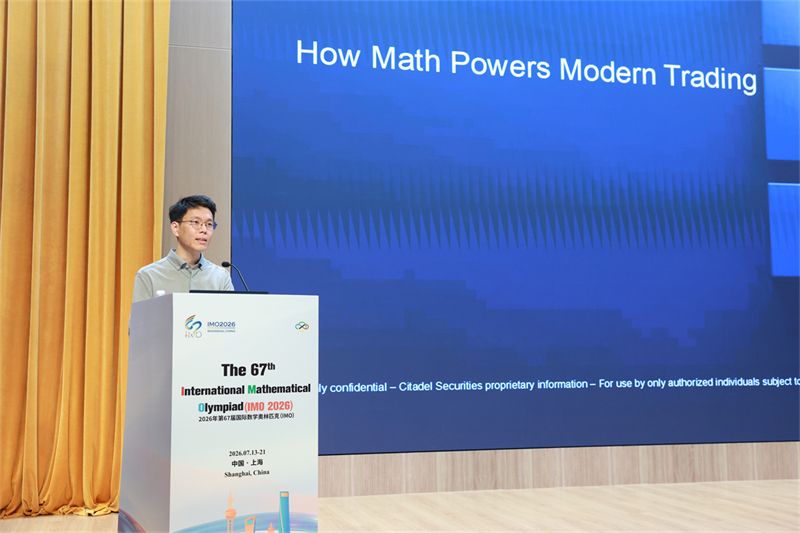
The academic exchange programme also featured a series of highlights. Organized by the Chinese Mathematical Society, academic lectures and discussions provided a platform for young scholars from around the world to engage with leading ideas. Professor Burkard Polster from Monash University delivered a lecture on “Conway’s Convolutions.” Sean Park, a Quantitative Researcher at Citadel Securities, shared insights into the applications of mathematics and artificial intelligence in quantitative finance. Mark Sellke and Alex Zhao from OpenAI presented the latest developments in artificial intelligence and mathematical reasoning. Academician E Weinan from Peking University explored the fundamental role of mathematical theories in advancing artificial intelligence.
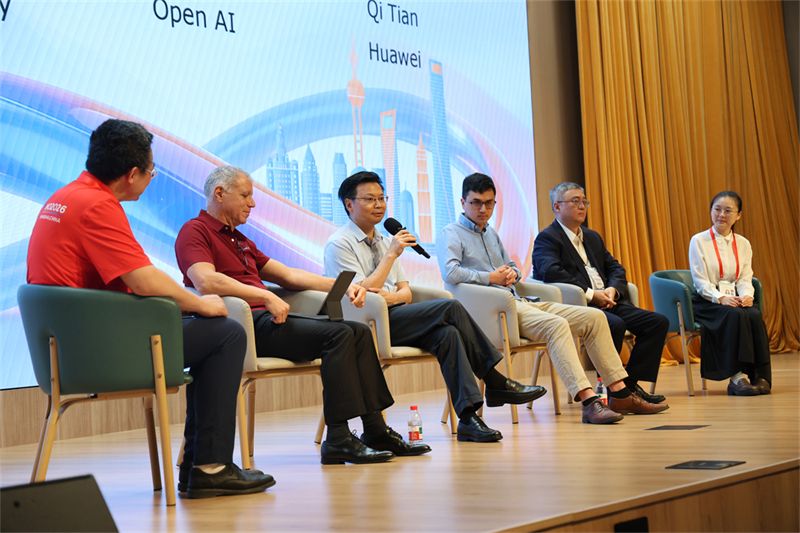
During the special panel discussion “Mathematics, Youth and the Road Ahead,” four distinguished guests — Professor E Weinan, Georges Elhedery from HSBC, Tian Qi from Huawei, and Mark Sellke from OpenAI — shared their perspectives with young participants, emphasizing that mathematics serves as a key to science and the future, while curiosity and listening to one’s inner voice remain essential on the journey of exploration.
The closing ceremony of IMO2026 was held on July 20 at the Auditorium of Shanghai High School. Mr. Gregor Dolinar, President of the International Mathematical Olympiad Board, and Mr. Liu Ruochuan, Vice President of the Chinese Mathematical Society and Academician of the Chinese Academy of Sciences, attended the ceremony and delivered remarks.
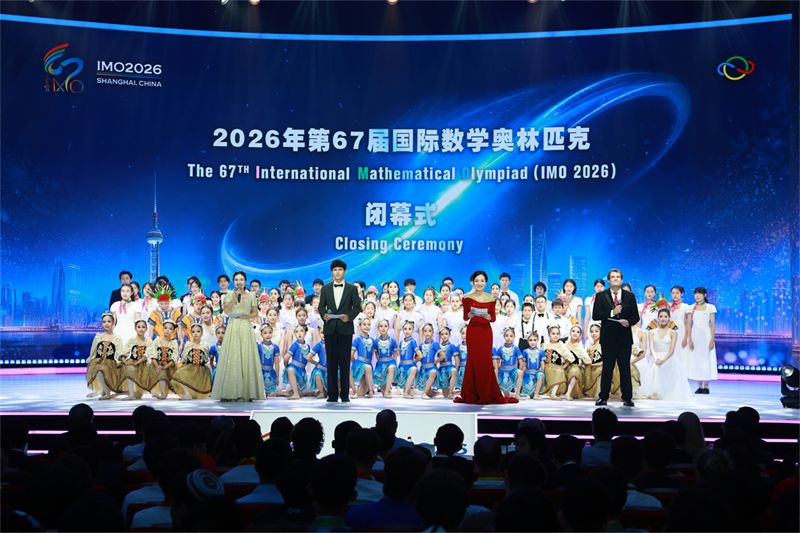
Going beyond the boundaries of a traditional competition, IMO2026 combined mathematical excellence with cultural experiences and intellectual exchange. Through exploration, contestants discovered Chinese culture and the charm of Shanghai; through dialogue, they encountered cutting-edge academic ideas; and through interaction, they strengthened mutual understanding and built bridges of friendship among young mathematical talents worldwide.